

Industrial Polished Concrete
Built for Heavy Demands
Industrial polished concrete floors face punishment that domestic and commercial environments simply don't - forklift traffic, heavy pallet drops, chemical spills, thermal shock from steam cleaning, and the requirement to be operational 24 hours a day.
We specify and install industrial polished concrete and flooring systems that meet these demands head-on. From a straightforward grind-and-seal of an existing concrete slab through to a full epoxy system with anti-slip broadcast and coved skirtings for food-grade compliance - we work with the right product for each specific operating environment.
All industrial polished concrete installations start with a detailed site survey. We test for moisture, map existing cracks and joints, check substrate condition and specify the right primer, body coat and topcoat combination for your floor's exact requirements - UK-wide.
Choose Your System
Industrial Projects
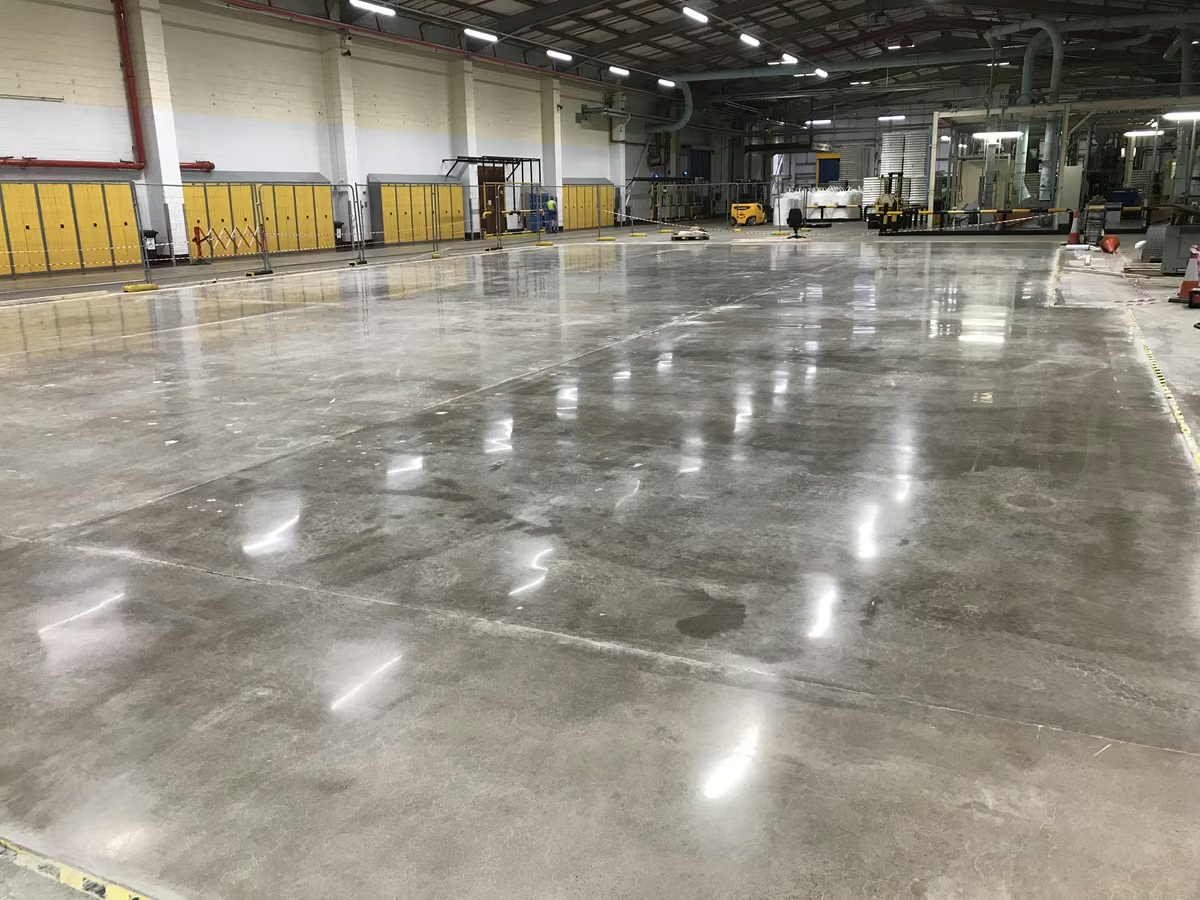
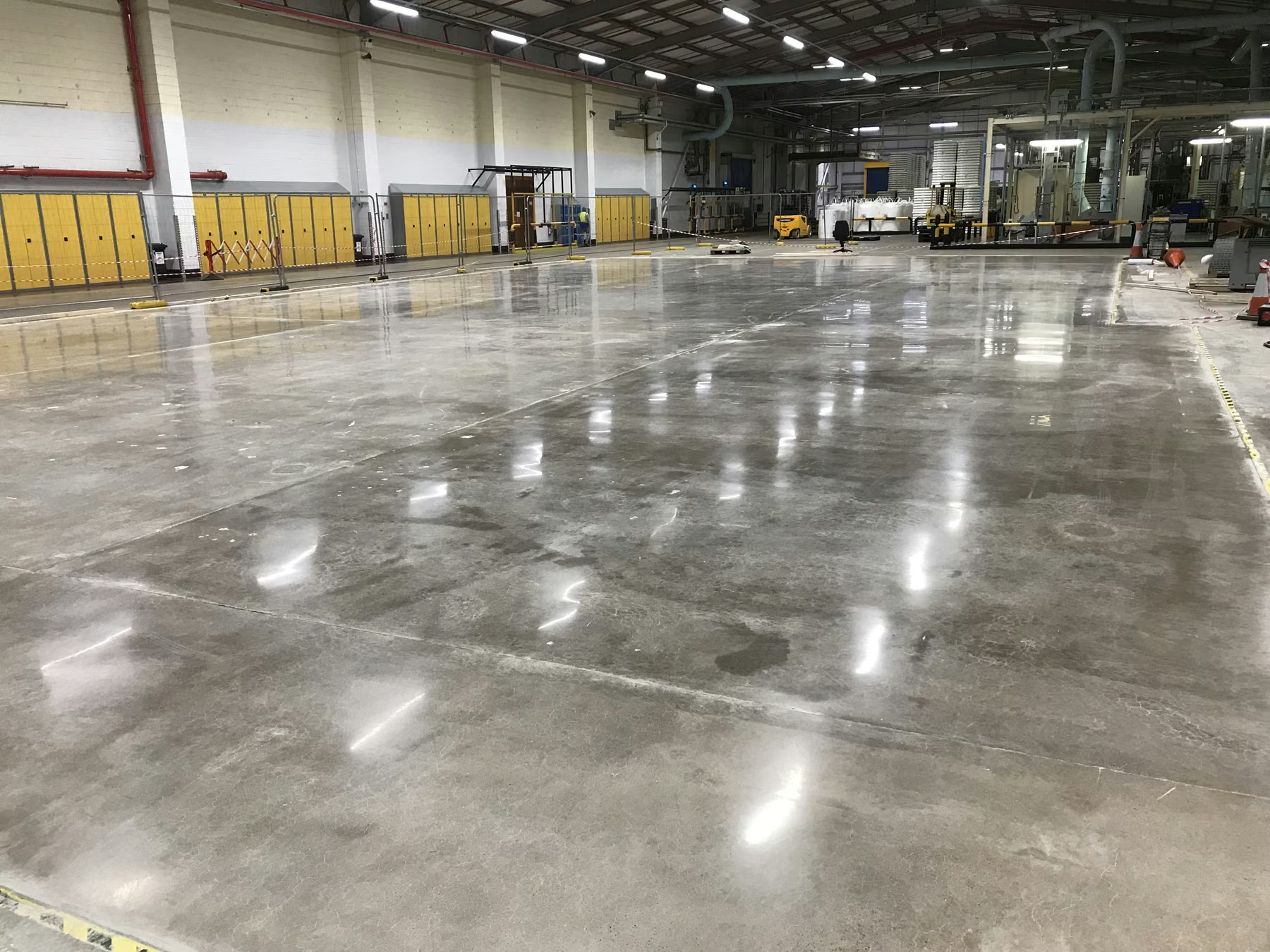
Warehouses, manufacturing plants, food production units and distribution centres across the UK. The finish changes with the slab and the traffic it carries — grind and seal where a hard-wearing surface is the priority, full mechanical polish where the floor has to look as good as it performs. Several were installed in phases around live production. Select any image to see it full size, labelled with the system used.


Industrial Sectors Covered
Yes. We regularly work in bays or sections, allowing production to continue in adjacent areas. We agree a phased programme before mobilising and can work nights and weekends to minimise disruption to operations. A detailed RAMS is provided before any work begins.
Our standard industrial specifications achieve R9 (dry areas), R10 (wet corridors), R11 (wet process areas) and R12 (external/heavily contaminated areas) ratings through aggregate broadcast or anti-slip additive. We can provide slip test certificates and are happy to arrange third-party testing if required by your specification.
Yes. Every industrial project begins with a site survey that includes calibrated moisture readings across the floor area. Where moisture is above tolerance, we specify a moisture-tolerant primer or membrane system - and we price this into the quotation. There are no surprise extras on site.
Yes. Full RAMS, method statements and COSHH assessments are provided before mobilisation as standard. We carry £5m public liability insurance and all operatives hold relevant CSCS cards. We are comfortable with site induction requirements and permit-to-work systems.
Epoxy systems are typically ready for light foot traffic in 24 hours and full forklift load in 72 hours, subject to ambient temperature. Polyurethane cement systems can return to service faster - often within 24 hours for full loading. We agree a specific return-to-service timeline in your written programme before work commences.